
On This Page
One of the most common personal finance questions people face is whether to build an emergency fund or pay off debt first. Both goals can improve financial stability, but determining which one deserves priority often depends on individual circumstances, financial obligations, and available resources.
An emergency fund provides a financial cushion for unexpected expenses, while paying off debt can reduce monthly obligations and improve cash flow. Because both objectives serve important purposes, the decision is rarely one-size-fits-all.
Understanding the benefits of each approach can help clarify how they fit into a broader financial plan.
The Purpose of an Emergency Fund
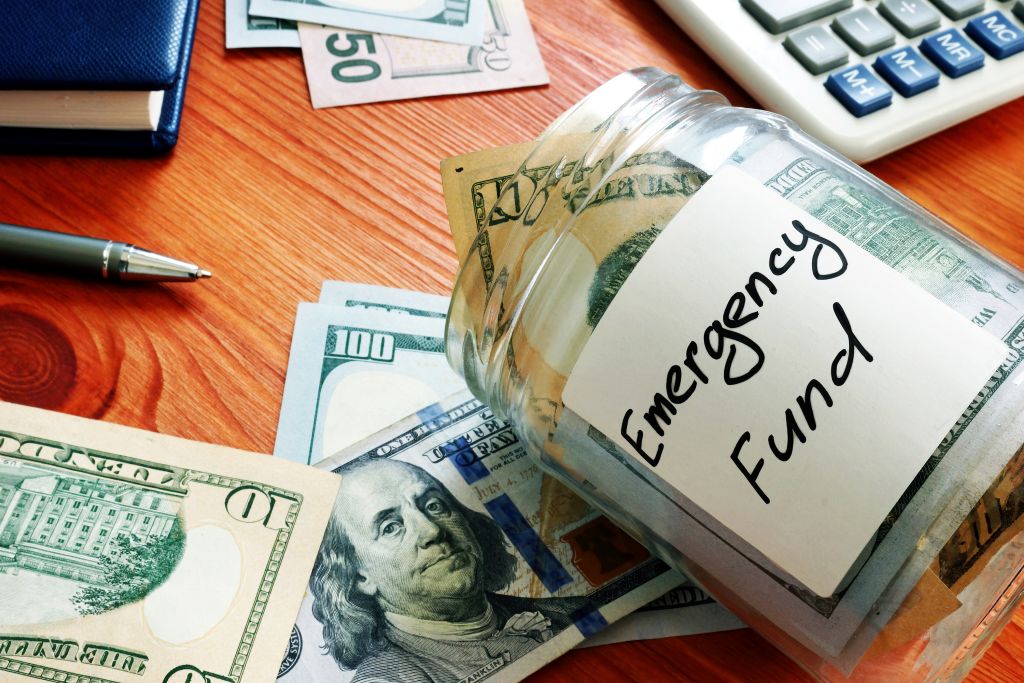
When evaluating whether to establish an emergency fund or pay off debt, it helps to first understand what an emergency fund is designed to accomplish. An emergency fund is money set aside specifically for unexpected expenses or financial emergencies.
Examples may include major car repairs, home maintenance issues, unexpected medical bills, or temporary income interruptions. Having funds available for these situations can help reduce the need to rely on credit cards, loans, or other forms of borrowing when emergencies arise.
An emergency fund is generally intended to provide flexibility and financial breathing room when life does not go according to plan.
The Benefits of Paying Off Debt
The other side of the discussion involves reducing existing financial obligations. Debt payments can consume a significant portion of monthly income, making it more difficult to allocate funds toward other goals.
As debt balances decrease, monthly cash flow may improve, creating additional flexibility in a household budget. Paying off debt can also simplify financial management by reducing the number of ongoing obligations that need to be tracked and maintained.
For many individuals, eliminating debt creates a sense of financial progress and greater control over future financial decisions.
Types of Debt to Factor In
An important factor in this decision is the nature of the debt itself. Different debts carry different interest rates, repayment structures, and long-term impacts.
High-interest debt often receives significant attention because the cost of carrying the balance can increase over time. Other forms of debt may have lower costs and different repayment considerations.
Because debt situations vary widely, it’s not a one-size-fits-all answer. Generally, if you’re mostly dealing with low-interest debts, you may want to focus more on building an emergency fund. On the other hand, if you have a lot of high-interest credit card balances, you may want to focus most or all your efforts on eliminating those balances.
Why the Answer is Not Always One or the Other
A common misconception about deciding between whether to build an emergency fund or pay off debt is that only one goal can be pursued at a time. In reality, many people work toward both objectives simultaneously.
For example, someone may focus on building a modest emergency fund while continuing to make regular debt payments. Once a basic financial cushion is established, additional resources can be directed toward reducing debt more aggressively.
This balanced approach can help address both immediate financial resilience and long-term financial obligations without completely neglecting either priority.
Considering Annuities
When discussing whether to contribute to an emergency fund or pay off debt, annuities can sometimes become part of the broader financial picture. Individuals receiving annuity payments may use those payments to support ongoing financial obligations, contribute to savings goals, or help build long-term financial stability.
In some situations, people receiving structured settlement annuity payments may find that their current needs differ from the original payment schedule. For example, a person focused on eliminating debt or creating an emergency fund may prefer an upfront lump sum rather than waiting for future payments.
This is one reason annuity payment sales are sometimes explored. By converting future payments into a lump sum, individuals may gain additional flexibility to address financial priorities that require immediate funding.
Balancing Short-Term Security and Long-Term Goals
The decision to start an emergency fund or pay off debt often comes down to balancing immediate financial security with longer-term financial objectives. Emergency savings provide protection against unexpected events, while debt reduction can improve overall financial flexibility over time.
Building financial stability often involves considering both present needs and future obligations. The right balance depends on factors such as income stability, existing savings, amount of debt, and personal financial goals.
Because circumstances differ from person to person, the ideal approach may look very different from one household to another.
Situations Where a Lump Sum Becomes Important
This decision can become more complex when significant financial needs arise. Major expenses, life changes, relocation opportunities, or large debt obligations may create situations where faster access to funds becomes a priority.
For individuals receiving annuity payments, this can sometimes lead to exploring options that provide greater financial flexibility. Rather than waiting years for scheduled payments, accessing a larger amount of funds upfront may help address financial priorities more quickly.
The appropriate solution depends on the individual’s goals, timeline, and overall financial situation.
Establish Emergency Fund or Pay Off Debt: Finding a Balance
Ultimately, the question of whether to build an emergency fund or pay off debt is less about choosing a universal winner and more about understanding which objective is most important in a particular situation. Emergency savings and debt reduction both contribute to financial stability, and many people benefit from making progress toward both goals over time.
Annuities and structured payment arrangements can also play a role in these decisions by providing ongoing income or, in some cases, creating opportunities for greater financial flexibility when circumstances change.
Understanding how these pieces fit together can help create a clearer picture of financial priorities and the options available for achieving them.